+91 7417026533 / 6396121200
Your bones support you every day. Take care of them today to stay strong, active, and independent tomorrow.
As we cross the age of 40, maintaining bone health becomes increasingly important. Our bones provide structural support, protect vital organs, and help us move comfortably. However, bone density can gradually decline with age, increasing the risk of osteoporosis, fractures, and mobility problems.
The good news is that adopting healthy habits can help maintain bone strength and reduce the risk of bone-related problems. Whether you are in your 40s, 50s, or beyond, it is never too late to start taking care of your bones.
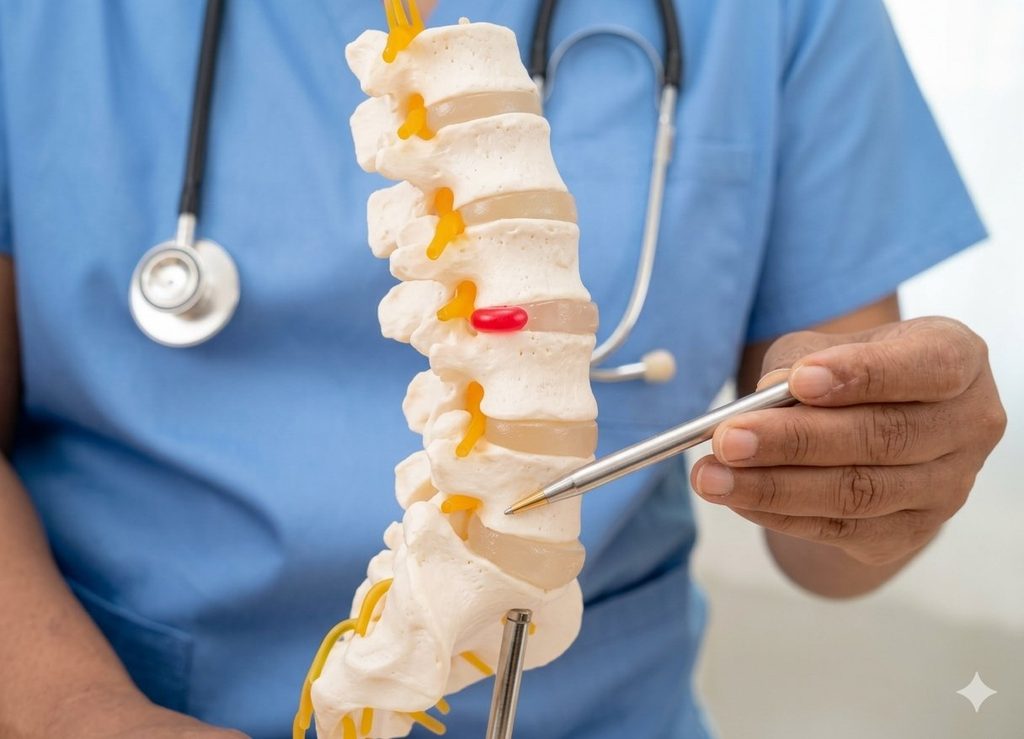
1. Include Calcium-Rich Foods in Your Diet
Calcium is an essential mineral that helps build and maintain strong bones and teeth. When your diet does not provide enough calcium, your body may draw on calcium stored in your bones.
Include calcium-rich foods in your daily meals, such as:
- Milk, curd, and cheese.
- Ragi and calcium-fortified foods.
- Sesame seeds and almonds.
- Calcium-set tofu.
- Green leafy vegetables, such as kale and some varieties of cabbage.
Your calcium needs depend on your age, sex, diet, and medical conditions. Try to obtain calcium primarily from food and consult your doctor before taking supplements.
2. Get Enough Vitamin D
Vitamin D helps your body absorb calcium and supports normal bone function. Low vitamin D levels can contribute to weak bones and increase the risk of bone problems.
You can support your vitamin D levels through appropriate sunlight exposure, foods such as oily fish and fortified products, and supplements when recommended by a healthcare professional.
Sunlight requirements vary depending on skin tone, location, season, and other factors. If you are at risk of vitamin D deficiency, discuss testing and supplementation with your doctor.
3. Exercise Regularly to Strengthen Your Bones
Physical activity helps maintain bone strength, muscle function, balance, and mobility.
Useful activities include:
- Walking: A convenient weight-bearing exercise.
- Strength training: Helps maintain muscles and supports bone health.
- Stair climbing: Provides weight-bearing activity when safe for your joints and balance.
- Balance exercises: Such as supported single-leg stands or suitable yoga poses, to help reduce the risk of falls.
Aim for regular physical activity throughout the week. If you have osteoporosis, a previous fracture, severe joint pain, or balance difficulties, seek professional guidance before starting a new exercise programme.
4. Eat a Balanced, Protein-Rich Diet
Protein supports muscle maintenance and contributes to bone health. Strong muscles help protect your body by improving stability and reducing the risk of falls.
Include suitable sources of protein, such as pulses, beans, lentils, dairy products, eggs, fish, tofu, or lean meat.
Combine protein-rich foods with vegetables, fruits, whole grains, and healthy fats to support overall health.
5. Avoid Smoking and Limit Alcohol
Smoking can negatively affect bone health and is associated with an increased risk of fractures. Excessive alcohol consumption can also weaken bones and increase the likelihood of falls.
If you smoke, consider seeking help to quit. Avoid excessive alcohol and discuss any concerns about your bone health with your doctor.
6. Maintain a Healthy Body Weight
Being underweight can increase the risk of low bone density, while excess body weight may place additional stress on weight-bearing joints, including the knees and hips.
Focus on maintaining a healthy weight through balanced nutrition and regular physical activity rather than following crash diets. If you are losing weight unintentionally, seek medical advice.
7. Reduce Your Risk of Falls at Home
Strong bones matter, but preventing falls is equally important, particularly as you grow older.
Simple precautions include:
- Keep floors free of clutter.
- Use non-slip mats in bathrooms.
- Ensure adequate lighting in hallways and staircases.
- Wear well-fitting footwear.
- Use handrails when climbing stairs.
- Have your vision and balance checked if you experience difficulties.
Reducing falls can help prevent fractures, especially in people with osteoporosis.
8. Know When to Consider a Bone Density Test
Osteoporosis often develops without noticeable symptoms until a fracture occurs. A person can have low bone density even if they feel healthy and have no bone pain.
A bone density test, commonly called a DXA or DEXA scan, measures bone mineral density.
Testing may be recommended based on age, sex, menopause status, family history, previous fractures, certain medications, or other risk factors. Not everyone needs a scan immediately after turning 40.
Speak with your doctor about whether a bone density assessment is appropriate for you.
9. Do Not Ignore Warning Signs
Seek medical evaluation if you experience:
- A fracture after a minor fall or injury.
- Persistent or unexplained back pain.
- Noticeable loss of height over time.
- A newly rounded or stooped posture.
- Repeated falls or difficulty maintaining balance.
These symptoms can have several causes, but they may indicate a bone health problem that requires assessment.
Sudden severe back or hip pain after a fall, particularly with difficulty standing or walking, needs urgent medical attention.
10. Be Careful with Supplements and Medications
Calcium and vitamin D supplements may help people who do not get enough through their diet or who have a diagnosed deficiency. However, taking excessive amounts without medical guidance can cause problems.
Some medications and medical conditions can affect bone health. If you take long-term steroid medicines or have a condition associated with bone loss, discuss preventive measures with your doctor. Do not stop prescribed medication on your own.
Conclusion: Start Protecting Your Bones Today
Taking care of your bone health after 40 does not require complicated changes. A balanced diet, adequate calcium and vitamin D, regular exercise, healthy lifestyle choices, and fall prevention can all contribute to stronger bones.
Remember that osteoporosis can develop silently. Understanding your personal risk factors and getting medical advice when needed can help you take preventive action before a serious fracture occurs.
Strong bones support an active life. Start caring for your bone health today so you can continue moving with confidence for years to come.
Disclaimer: This article is for general educational purposes and does not replace professional medical advice, diagnosis, or treatment.